Finite element analysis and structural simulation

FEA Simulation & Finite Element Analysis Services

FEAmax provides finite element analysis services to help engineering teams evaluate strength, stiffness, fatigue life, vibration, thermal stress, impact behavior and design margins before testing, tooling or production.

FEA analysis scope

StructuralStress, strain, displacement and factor of safety
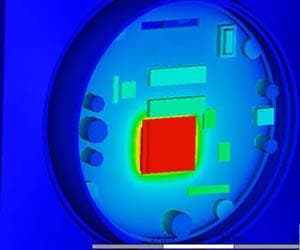
ThermalTemperature, deformation and thermal stress
DynamicVibration, seismic, impact and drop test analysis
NonlinearContact, material and large deformation behavior

What Is FEA?

FEA is a virtual engineering test used to predict product behavior.

Finite Element Analysis is a numerical simulation method used to predict how a structure responds to real-world loads, temperature, vibration, impact or testing conditions.

Used correctly, FEA helps identify potential design issues early, reduce redesign and testing cost, compare design options and support practical engineering decisions before committing to prototypes, tooling or production.

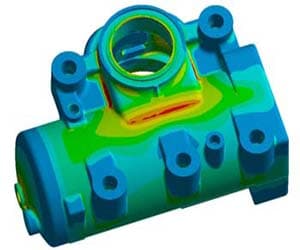
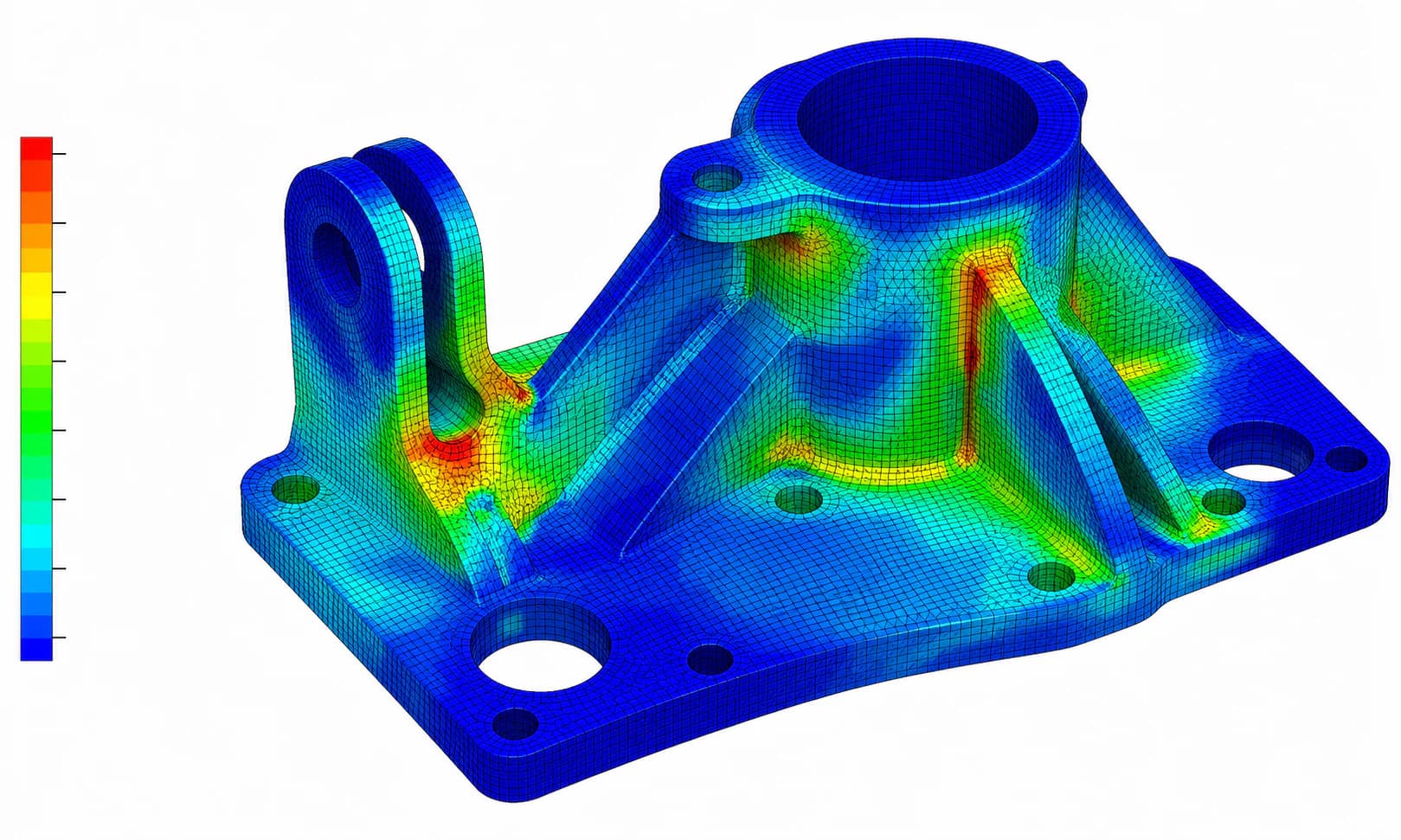
FEA stress contour result on a mechanical component

Area of Expertise

FEA analysis types for structural, thermal, dynamic and specialized problems.

Static & Nonlinear Structural Analysis

  • Static linear stress analysis
  • Geometric nonlinear analysis
  • Material nonlinear analysis including plasticity, creep and hyperelasticity
  • Contact nonlinear analysis with frictional contact conditions
  • Structural stress, deformation and load path evaluation
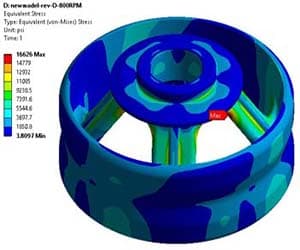
Dynamic, Impact & Vibration Analysis

  • Modal analysis
  • Harmonic response analysis
  • Spectrum and seismic stress analysis
  • Random vibration analysis
  • Transient impact and drop test analysis

Thermal & Thermo-Mechanical Analysis

  • Steady-state thermal analysis
  • Transient thermal analysis
  • Thermal stress and deformation evaluation
  • Conduction, convection and radiation effects
  • Temperature-dependent material behavior review

Specialized FEA Studies

  • Fatigue stress and life evaluation
  • Buckling analysis
  • Fracture and crack propagation review
  • Composite, acoustic and multiphysics analysis
  • Design comparison and structural optimization

What we need to quote and run FEA

Clear inputs improve both schedule and accuracy.

  • 3D CAD model or 2D drawings with key dimensions
  • Load conditions, load directions and load magnitudes
  • Boundary conditions, supports, constraints and contact assumptions
  • Material properties for each component
  • Operating temperature, thermal conditions or environmental requirements
  • Main concerns such as stress, deflection, fatigue, buckling, vibration or safety factor
  • Target standards, test conditions or acceptance criteria when available
  • Expected deliverables, schedule and required level of detail

What We Provide

FEA deliverables focused on engineering decisions.

  • Formal FEA analysis report with assumptions, setup, results and conclusions
  • Stress, strain, displacement, deformation and factor-of-safety plots
  • Reaction force, temperature, buckling, modal or fatigue results when applicable
  • Load case and boundary condition summary
  • Identification of high-risk areas and potential design issues
  • Design improvement comments and practical engineering recommendations
  • Comparative results when multiple concepts or design options are reviewed
  • Result images or animations to support communication when useful

FEA Project Workflow

A structured process from model review to formal engineering report.

01

Review Model and Requirements

FEAmax reviews CAD files, drawings, materials, loading conditions, test requirements and the main engineering concerns.

02

Define Assumptions and Load Cases

The analysis scope, material behavior, contacts, constraints, load cases and output requirements are clarified before solving.

03

Prepare Geometry and Mesh

The model is simplified where appropriate, contacts are defined and mesh density is controlled in critical regions.

04

Run and Review the Analysis

The analysis is solved, results are reviewed for engineering reasonableness and the model is refined when needed.

05

Report Results

FEAmax prepares result plots, conclusions, comments and design recommendations in a clear engineering report.

06

Support Follow-Up Decisions

Results can support design changes, testing decisions, supplier communication, tooling or production preparation.

How FEA Accuracy Is Controlled

Reliable FEA depends on engineering judgment, not only software.

Model Simplification

Simplification is often necessary, but critical features and stress paths must remain representative of the real structure.

Material Data

Linear, nonlinear, temperature-dependent, plastic, hyperelastic or fatigue material data can strongly affect results.

Loads and Boundary Conditions

Loads, supports and constraints should reflect real testing or operating conditions, including worst-case scenarios when required.

Mesh Quality

Mesh type, density and refinement near critical regions directly influence stress, deflection and convergence behavior.

Contact Setup

Bonded, sliding, frictional or nonlinear contact definitions must match how components actually interact.

Engineering Review

FEA results require judgment, especially around stress concentration, singularities, constraints and design margins.

Representative FEA Project Types

Simulation examples organized by engineering problem type.

Structural Stress Analysis

Structural Stress Analysis

Evaluate stress, deformation and safety factor for mechanical components, frames, housings, brackets and assemblies.

Fatigue Stress Analysis

Fatigue Stress Analysis

Estimate fatigue risk and life-related performance for parts exposed to repeated or cyclic loading conditions.

Thermal Stress Analysis

Thermal Stress Analysis

Review temperature-driven deformation and stress where thermal loading affects product reliability or alignment.

View All FEA Projects

Applications and Industries

FEA support for industrial, product and infrastructure applications.

FEA is widely used when structural performance, durability, thermal behavior or design margins need to be understood before physical testing or production.

Aerospace
Automotive
Construction
Civil Engineering
Consumer Products
Electronics
Heavy Equipment
Machine Parts
Medical
Power Generation
Sports Equipment
Tooling
Transportation
Industrial Systems

Start an FEA Project

Need FEA analysis for strength, fatigue, thermal or vibration risk?

Send CAD files, drawings, load cases, material data or testing requirements. FEAmax can review the scope and recommend a practical simulation approach.