Project Note
Practical context for engineering decisions.
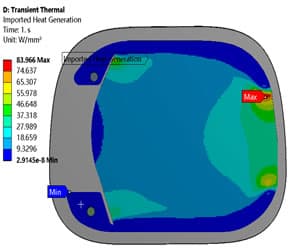
Coupled thermal-electrical stress example for understanding how electrical loading generates heat and how that heat drives deformation, stress and reliability risk.
Project objective
This coupled analysis reviewed how electrical loading created heat within a component and how that temperature rise influenced structural stress and deformation. The main objective was to understand multiphysics behavior that could affect reliability or service life.
Why coupled thermal-electrical stress analysis matters
Electrical systems do not fail only because of electrical performance. Joule heating, thermal expansion and temperature gradients can create mechanical stress that gradually damages the product or changes alignment. A coupled analysis helps teams understand those interactions earlier in development.
What the engineering review considered
This type of study examines where heat is generated, how it spreads through the part and which regions become structurally critical as temperatures rise. It is especially useful for components where local heating, material mismatch or constrained expansion creates a risk of cracking, distortion or reduced reliability.
Using the result to improve robustness
The practical output can support decisions about geometry, material selection, cooling strategy, contact design or local reinforcement. By understanding the thermal-mechanical consequences of electrical loading, teams can make more reliable design changes before field issues appear.
How FEAmax supports multiphysics projects
FEAmax supports coupled thermal, electrical and structural analysis for components where multiple physical effects interact. The goal is to help customers reduce hidden reliability risk and improve design confidence through a more complete engineering review.
What to send for review
- Project objective and current design concern
- CAD files, drawings, sketches or photos
- Material, load, flow or operating conditions
- Schedule target and required deliverables