Project Note
Practical context for engineering decisions.
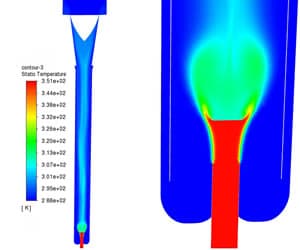
Representative CFD project for evaluating internal flow behavior, pressure distribution and design performance in an updraft tower system before fabrication or operational changes.
Project objective
This CFD project focused on understanding how air moved through an updraft tower system and where the design created resistance, uneven velocity or performance loss. The engineering goal was to evaluate internal flow behavior before committing to physical changes or operational adjustments.
Why flow behavior matters in tower systems
Updraft tower performance depends on how effectively the geometry guides air through the system. Sudden transitions, local restrictions or poorly distributed flow paths can create pressure loss, recirculation and lower overall efficiency. CFD helps make these issues visible in a way that is difficult to confirm from geometry review alone.
What the simulation evaluated
The model reviewed velocity distribution, pressure changes and the general flow path through the tower. This type of study is useful for identifying zones of low flow efficiency, imbalance between regions of the system and areas where geometric refinement may improve performance.
Practical design value
Instead of relying only on trial-and-error testing, the CFD result gives the engineering team a clearer basis for deciding whether to modify passages, transitions or related design details. That shortens the development loop and helps direct effort toward the flow features that have the strongest influence on system behavior.
How FEAmax supports similar CFD projects
FEAmax supports internal flow analysis for equipment, ducts, enclosures and process systems where pressure drop, flow distribution and thermal performance affect design decisions. The result is a practical simulation review that helps customers improve performance before fabrication or field testing.
What to send for review
- Project objective and current design concern
- CAD files, drawings, sketches or photos
- Material, load, flow or operating conditions
- Schedule target and required deliverables